
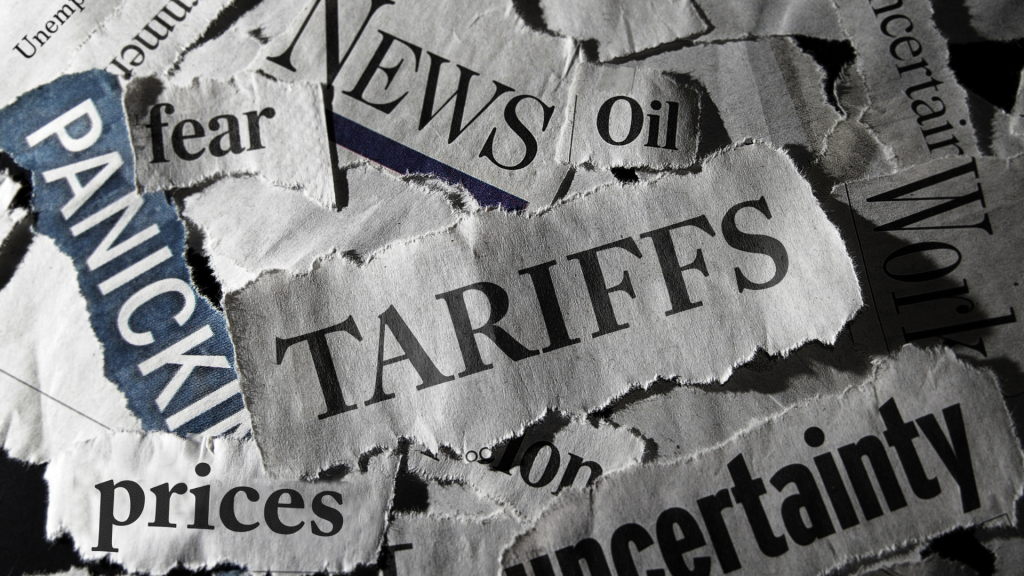
What Trump’s New Tariffs Mean for Malaysia
On April 3rd, former U.S. President Donald Trump announced a wave of new tariffs that will impact over 180 countries. This sweeping move, referred to as “Liberation Day,” targets nations the U.S. accuses of engaging in unfair trade practices. Among the countries affected is Malaysia, which will see a 24% import duty imposed on its goods starting April 9th, 2025. As one of Southeast Asia’s most export-driven economies—particularly in sectors like semiconductors and rubber gloves—Malaysia now faces considerable uncertainty. So how might these tariffs reshape Malaysia’s trade direction and economic prospects?
What Are Tariffs and Why Do They Matter?
Tariffs are essentially taxes imposed by a government on imported goods and services. Their primary aim is to protect local industries by making imported goods more expensive, encouraging consumers to buy domestic alternatives. In effect, tariffs serve as tools for economic protection and sometimes political leverage, especially for influential nations like the U.S..
However, tariffs also bring challenges. They can lead to higher costs for businesses and consumers, provoke retaliatory trade policies from affected countries, and strain diplomatic relations.
In this situation, Trump argues that the tariffs are necessary to stabilize the American economy and reduce its reliance on foreign production. The Liberation Day tariffs are set at varying levels depending on the country, and Southeast Asia appears to be among the hardest hit. Malaysia now finds itself contending with serious barriers to accessing one of its largest export markets.
“Make American Wealthy Again” – The Economic Push Behind the Tariffs
In his “Make American Wealthy Again” rhetoric, Trump frames these tariffs as part of a broader strategy to revitalize the U.S. economy. By imposing tariffs, the U.S. aims to curb its reliance on foreign goods, particularly from countries with which it perceives a trade imbalance. The idea is to reshape global trade in favor of American producers and encourage companies to bring manufacturing jobs back to the U.S. This approach has been a cornerstone of his economic policy, reflecting his belief that protectionist measures will help boost U.S. wealth in the long term.
For Malaysia, the 24% tariff imposed by the U.S. marks a pivotal moment. As a country highly dependent on exports, especially electronics and medical supplies, it must now navigate the realities of a more isolationist America—one that may prioritize its own industries over the global supply chain.
Liberation Day Tariffs: What Was Announced?
The new U.S. policy includes:
- A baseline 10% tariff on all imports
- Additional country-specific tariffs, such as:
- South Korea: 25%
- China: 34%
- Vietnam: 46%
- Cambodia: 49%
- Thailand: 36%
- Indonesia: 32%
- Malaysia: 24%
These measures affect a broad range of goods, from electronics and machinery to textiles and agricultural products. For Malaysia, the 24% tariff applies across most sectors, placing enormous pressure on exporters who are already coping with a strong U.S. dollar and fluctuating global demand.
How Will This Affect Malaysia’s Economy?
The United States is one of Malaysia’s most significant trading partners, with exports to the U.S. reaching nearly RM200 billion in 2024. The sectors most likely to feel the pressure include:
- Electronics and Semiconductors: Malaysia plays a critical role in the global semiconductor supply chain. The added cost burden may reduce competitiveness in U.S. markets.
- Medical and Rubber Products: Malaysia is one of the world’s top exporters of rubber gloves and medical devices. These could now be priced out of reach for some U.S. buyers due to the tariff.
Beyond these industries, the tariffs could lower investor confidence, weaken the ringgit, and force Malaysian companies to either absorb losses or explore alternative export destinations.
Regional and Global Context
Malaysia is not facing this challenge alone. Other Southeast Asian countries are similarly affected, and the regional supply chains are feeling the impact. There are mounting concerns that multinational companies might delay new investments or shift their manufacturing bases to avoid U.S. tariffs. This could be especially disruptive for Malaysia, which has been positioning itself as a hub for foreign manufacturers.
Furthermore, other major economies such as China, Japan, and South Korea have also been targeted with various tariff rates. This trend indicates a wider reconfiguration of global trade alliances. The risks of trade retaliation and extended disputes could seriously undermine the fragile post-pandemic economic recovery.
What Can Malaysia Do?
To respond to this evolving situation, Malaysia could consider several strategies:
- Diversify Export Markets: Boosting trade relationships with Europe, the Middle East, and ASEAN neighbors.
- Strengthen Trade Agreements: Utilize regional partnerships like RCEP and CPTPP to maintain access to key markets.
- Improve Competitiveness: Invest in automation, innovation, and quality improvements to offset higher export costs.
- Engage Diplomatically: Work with ASEAN and pursue bilateral discussions with the U.S. to request tariff exemptions for critical sectors or seek a reduction in tariff rates.
Conclusion
The Liberation Day tariffs represent a major shift in global trade policy, and Malaysia is among the countries most affected. While the short-term consequences may be evident in export statistics and investor sentiment, the true challenge lies in Malaysia’s long-term response. Will the country emerge more resilient and adaptive, or will it struggle to keep pace in a changing global economy?
As trade dynamics continue to evolve, Malaysia is advised to focus on agility, innovation, and diplomatic strategy to stay competitive on the world stage.